
The Four Seasons
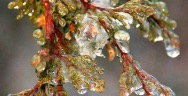 There’s something quietly iconic about Northern White Cedar. It doesn’t shout for attention the way flashy ornamentals do. Instead, it settles into the landscape and becomes part of the rhythm of the place—especially in northern forests, lakeshores, and cedar homes where the scent of wood and fresh air seem to blend together. Spend a year around Northern White Cedar and you start to notice how naturally it fits into every season.
Spring

Fresh Green and New Energy
When winter finally loosens its grip, Northern White Cedar wakes up with a soft burst of bright green. The flat sprays of foliage shift from their winter bronze tones to that familiar fresh cedar color. In the woods, the ground around mature cedars starts to smell earthy and clean as things thaw out.
Spring is also when cedar hedges and windbreaks feel especially alive. They thicken up, push new growth, and create that lush privacy wall that makes a property feel tucked away and peaceful. For waterfront homes and rustic retreats, it’s the moment when the landscape goes from quiet to vibrant again.
Summer

Cool Shade and Cedar Scent
By summer, Northern White Cedar settles into its role as one of the most comfortable trees to be around. Its soft, feathery foliage casts filtered shade instead of heavy darkness. Walk through a stand of cedars on a warm day and the air feels noticeably cooler.
There’s also that unmistakable cedar scent—subtle, clean, almost calming. It’s part of why cedar is so loved in cabins, decks, and outdoor structures. The tree itself seems to embody the relaxed pace of lake season: long evenings, boat docks, and the sound of wind moving through the branches.
Fall
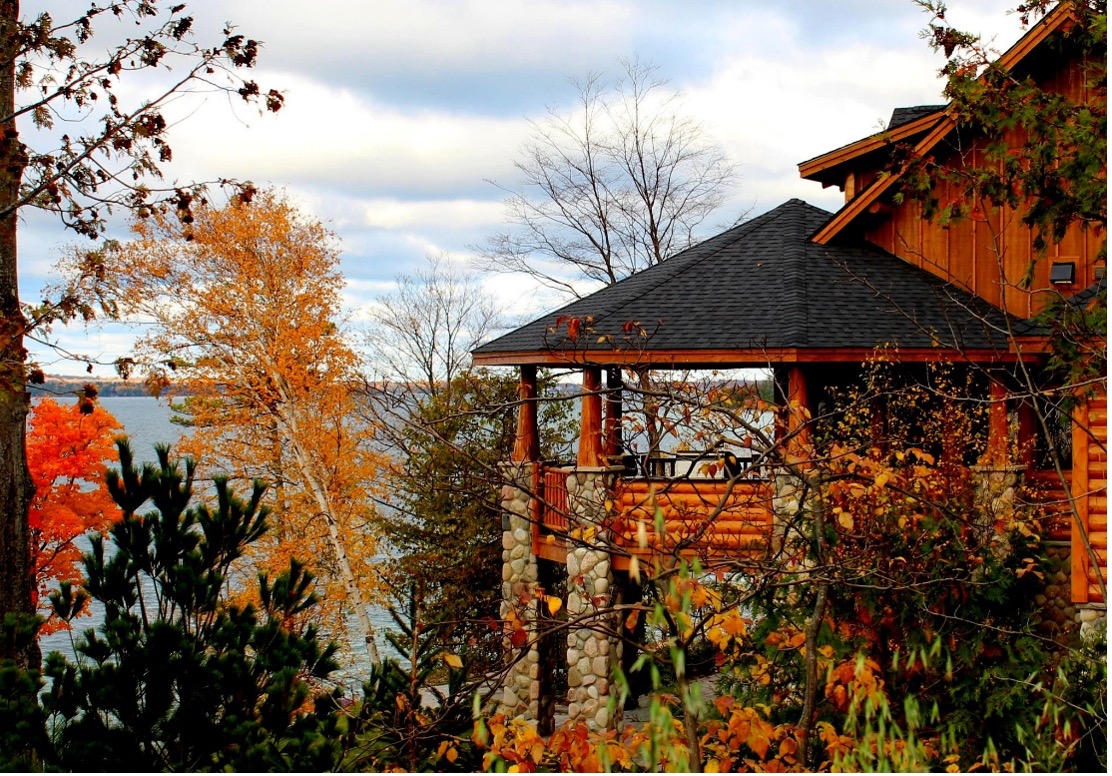
Quiet Strength
While many trees explode into color in the fall, Northern White Cedar stays understated. Its deep green tones hold steady while the rest of the forest shifts to gold, red, and orange. The contrast actually makes the cedar stand out more.
In landscapes and natural settings, cedars start to take on a protective presence this time of year. As leaves fall away from other trees, cedar groves remain dense and sheltering. Wildlife knows it too—deer, birds, and small animals all use cedar stands as cover when the weather starts turning colder.
Winter
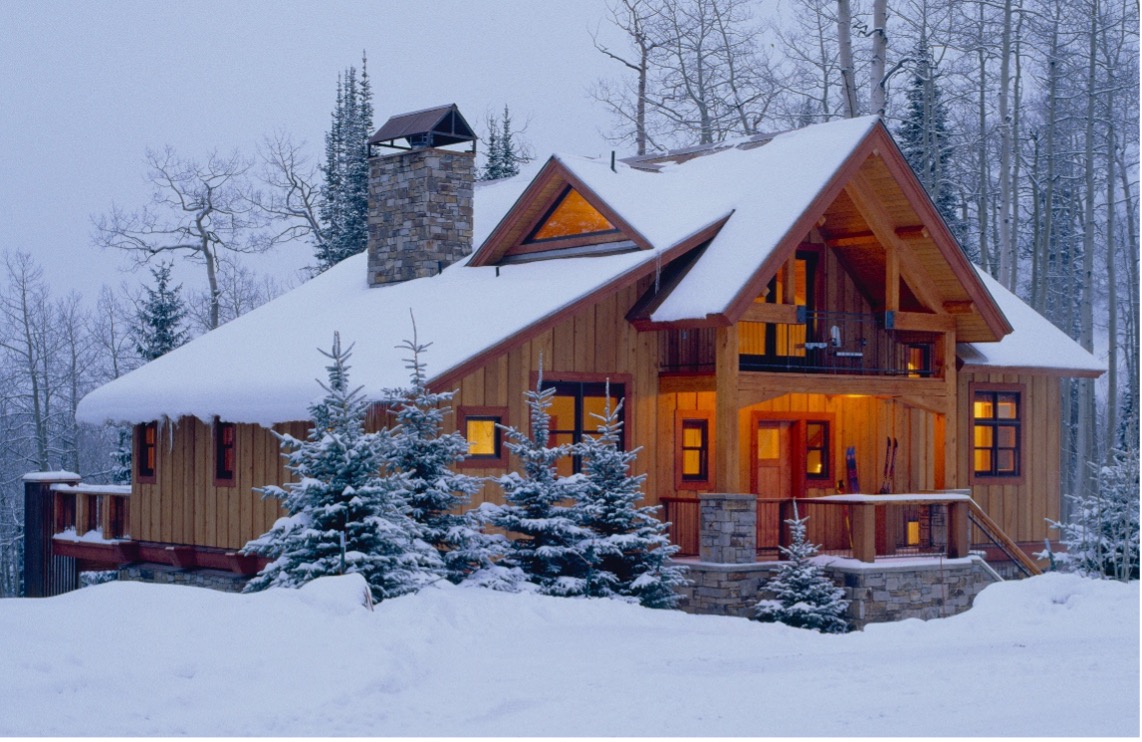
The Evergreen Anchor
Winter is where Northern White Cedar really shines. While most of the landscape turns bare and gray, cedars stay green and sculptural. Snow settles gently into their layered branches, outlining the tree’s soft structure.
In northern climates, cedar windbreaks become incredibly valuable. They block winter winds, protect homes and barns, and give the landscape a sense of life when everything else is dormant. Around cedar homes or timber-frame properties, those evergreen silhouettes feel like they belong there year-round.
Northern White Cedar isn’t just another evergreen—it’s part of the character of northern places. From spring’s bright green growth to winter’s snow-covered branches, it moves through the seasons without ever feeling out of place.
Maybe that’s why cedar has been valued for generations, both in the forest and in the homes built from it. It’s durable, timeless, and quietly beautiful in every season of the year.
If you spend enough time around cedar, you start to notice something simple: no matter what the season looks like, the cedar always feels right at home.
“Beauty is the only thing that time cannot harm. Philosophies fall away like sand, creeds follow one another, but what is beautiful is a joy for all seasons, a possession for all eternity.”
…Oscar Wilde


