
Lift Your Spirit
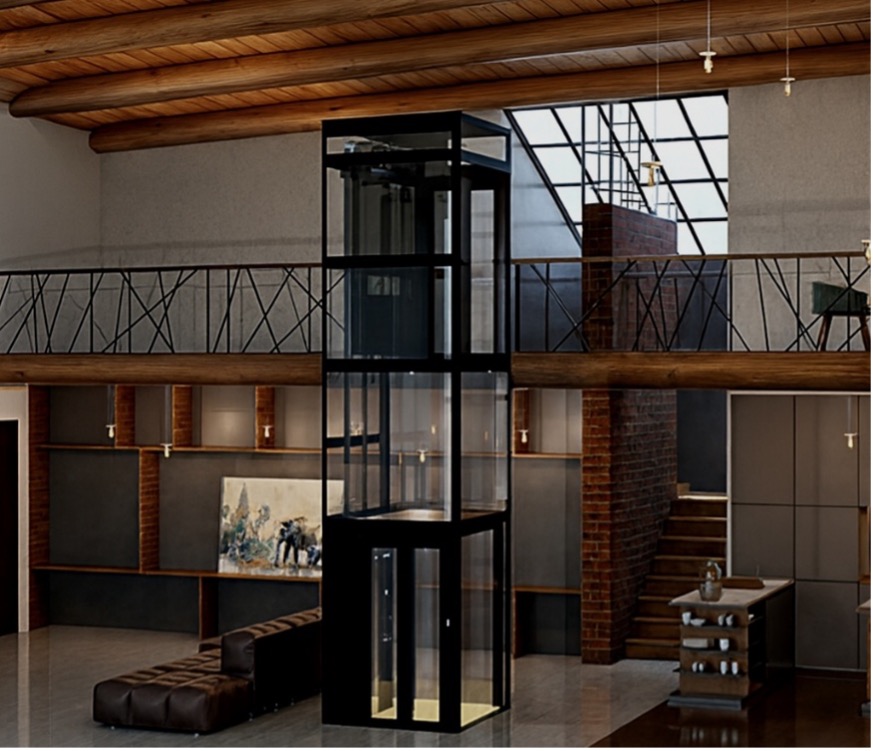 Once, a home elevator was a big, clunky add-on, often requiring a shaft, a noisy hydraulic motor, and a house architectural overhaul. These days, the picture is very different. Thanks to smarter engineering, new materials, and shifts in homeowner tastes, lifts are becoming sleek, subtle, and something that almost blends in with our home styles. And for many people, that makes them practical exceptions, not just for our log lodges and mansions, but for smaller multi-story homes or even for retrofitting one of our older log or timber homes.
So if you’re picturing a glorified freight-elevator, think again. Here’s what’s up…so to speak…
Smart-Home Integration + Automation
- You can now control home elevators much like you control lights or thermostats, via smartphone apps or voice commands. Some systems hook into your broader smart-home network.
- Predictive maintenance is becoming a thing. IoT sensors and “smart” diagnostics monitor your elevator’s performance and warn you if something needs attention, often before you even realize there’s a problem.
Energy Efficiency + Sustainability
- Newer elevators are often more energy-savvy: LED lighting, efficient motors, and even regenerative drive systems (that reuse energy) are on the rise.
- Some elevator systems, especially pneumatic/vacuum-driven lifts, consume minimal power to move up and practically none to come down, relying on gravity or air pressure instead of heavy hydraulics or motors.
Compact, Flexible + Easier to Retrofit
- “Shaftless” or “pitless” designs are gaining popularity. That means you don’t have to carve out a big vertical shaft through your home; great for existing houses or tighter floor plans.
- There are models designed to fit surprisingly small footprints, making elevators a realistic option even in modest-sized homes.
Design + Aesthetic — Elevators as Interior Style
- Glass-paneled cabins, once the hallmark of high-rise buildings or luxury buildings — are trending in homes. They bring in natural light, make spaces feel more open, and give a modern, airy vibe.
- Interiors are no longer just functional; customization matters. From modern glass and metal to wood finishes, unique color accents (think subtle grays or bold brushed copper), homeowners are treating elevators like furniture.
Safety, Comfort + Accessibility for All
- Modern residential lifts come with improved safety features — sensors for doors & obstruction detection, smooth start/stop motors for gentle rides, and emergency fallback systems (e.g. battery or mechanical backup) in case of power issues.
- For families with older adults, children or people with mobility challenges, these elevators are increasingly designed with accessibility in mind. Wider doors, lower thresholds, ergonomic controls, and smooth, quiet rides are all part of the solution
So?…
- Elevators are no longer a “luxury only for mansions”. You can realistically consider one even in a modest two- or three-level home.
- Installing a modern elevator doesn’t have to mean weeks of construction. Compact, shaftless, or vacuum-based lifts make retrofits much simpler.
- It’s about more than mobility — it’s convenience and lifestyle: going vertical in style, with minimal energy use, minimal footprint, and maximum safety.
- For people planning for aging in place or long-term accessibility, a modern elevator may also add real long-term value and comfort.
They’re not just practical — they’re now part of the home’s character.


