

As we talked just recently, there’s something about a log or timber home that practically begs to be photographed. Maybe it’s the way afternoon sunlight washes across a massive timber frame. Or the glow of a stone fireplace on a winter evening. Maybe it’s simply the setting—a home tucked into the woods, perched above a lake or looking out across a mountain valley. Whatever it is, great log and timber homes have a personality all their own. Capturing that personality in a photograph, however, isn’t always as easy as pointing your phone and pushing the button.
We’re big believers in professional photography. A talented architectural photographer understands that photographing a home is really about photographing light, space and atmosphere. They know how to make a room feel spacious without distorting it, how to balance bright windows with a darker interior and how to capture the warmth and texture of natural wood without turning everything orange. That last one is particularly important with log and timber homes. Wood changes dramatically depending on the light. Morning sun, afternoon sun, incandescent lighting and even the green reflection from surrounding trees can completely change the way a wood finish appears in a photograph. A professional photographer knows how to manage those conditions while still making the home look natural. They also bring something homeowners often overlook, a fresh set of eyes. When you live in a home every day, you stop noticing certain things. A photographer might immediately spot a beautiful sightline through a timber frame, the reflection of a fireplace in a window or a composition that connects an interior room with the landscape beyond it. And sometimes those unexpected photographs become the favorites.
But you can take great photos, too. You certainly don’t need a professional photographer every time you want to capture a beautiful moment at home. Today’s phones have remarkably good cameras, and with a little thought, homeowners can take some pretty spectacular photographs themselves.
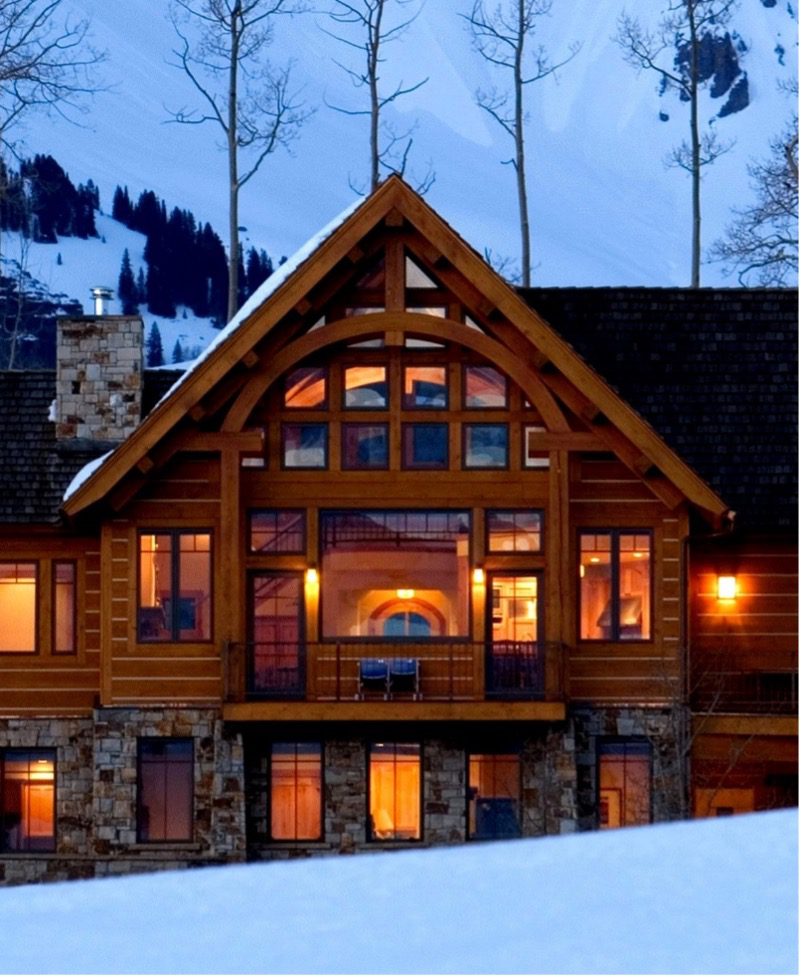
The biggest tip is also the simplest — pay attention to the light. Try photographing exterior elevations early in the morning or later in the afternoon rather than at high noon. That softer, lower light brings out the texture of logs, timbers and stone and creates much more interesting shadows. Inside, turn on lamps and decorative fixtures, but pay attention to what’s happening outside the windows. A room photographed while the exterior is still relatively bright will usually look much better than one photographed after the windows have turned completely black. And don’t be afraid of cloudy days. Overcast skies can actually produce beautiful, soft, even light—especially when photographing wood.
You don’t need to completely stage your house, but cameras have an uncanny ability to notice clutter. Do a five-minute clean-up. Before taking a photograph, look around the room for things that probably don’t need to be there: remote controls, charging cords, dog toys, stacks of mail, water bottles, kitchen towels and the miscellaneous collection of everyday life. Then straighten pillows, fluff cushions, arrange chairs and simplify countertops.
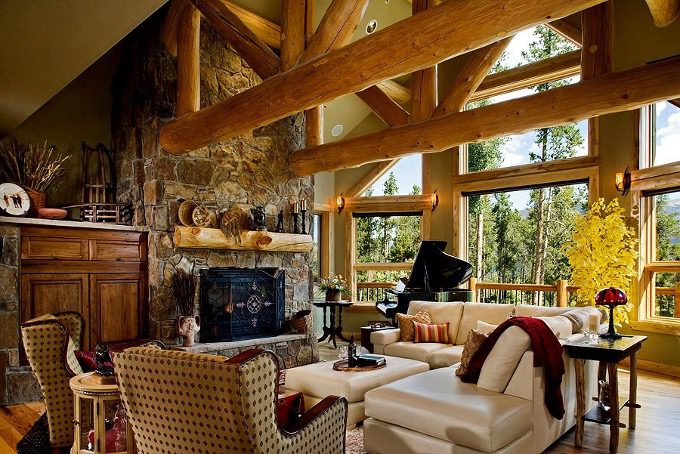
Back up a little. One of the most common mistakes when photographing interiors is getting too close. Back yourself into a corner, doorway or adjoining room and give the architecture some breathing room. Try to include enough of the floor and ceiling to give the viewer a sense of the space. Sometimes taking two steps backward produces a much better picture than switching to an ultra-wide lens.
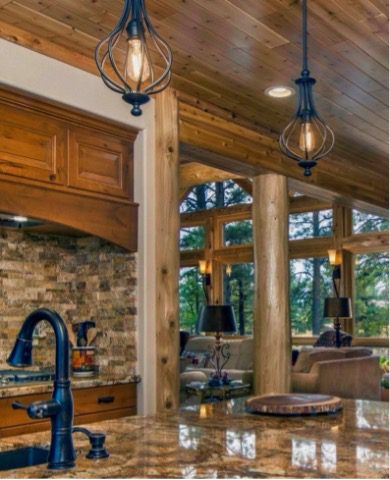
But, don’t forget the details. Some of the best photographs of a log or timber home aren’t photographs of entire rooms. Get closer. Photograph the joinery of two massive timbers. Capture the grain in a hand-hewn beam. Photograph the visual textures where different media meet wood, the craftsmanship of a staircase or the warm light from a pendant hanging over a kitchen island. Those detail photographs tell the story of the home in a completely different way.
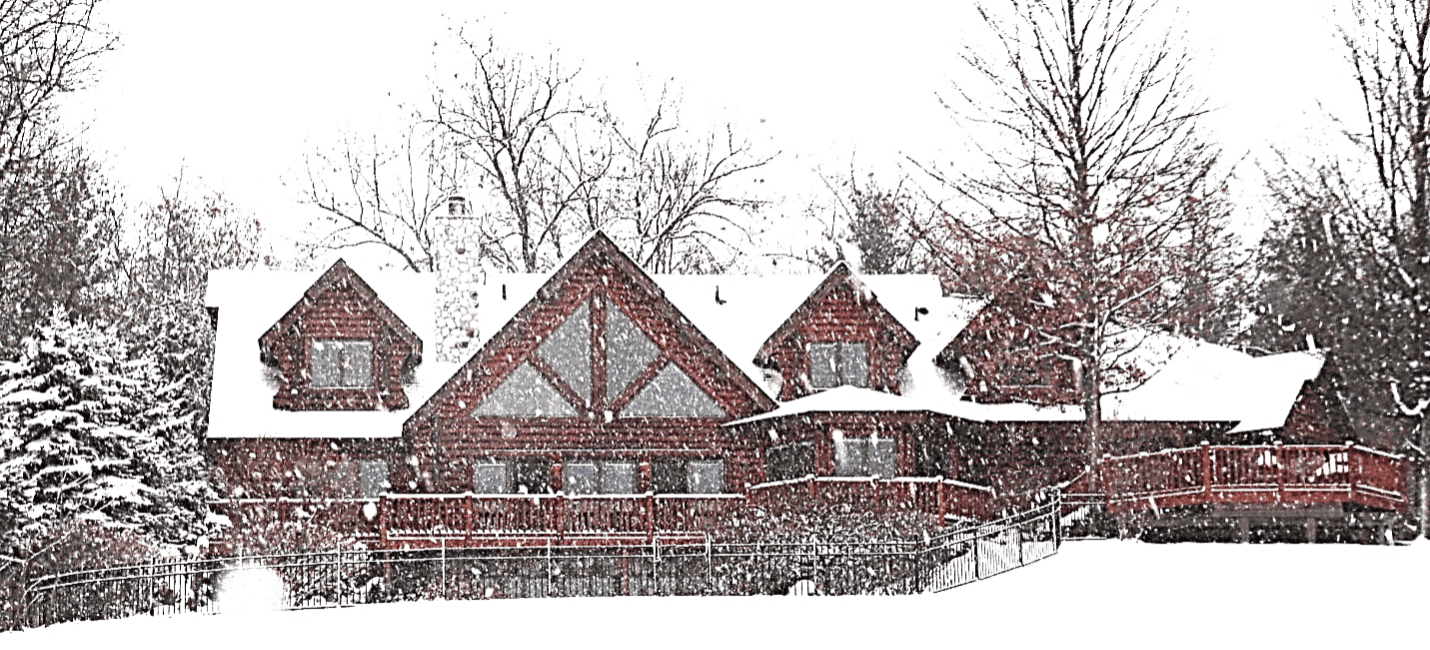
That all being said, photograph the lifestyle, not the just the “house”. This might be our favorite tip. Your home isn’t an architectural museum. It’s where life happens. If you’re photographing your home for yourself, include some of that life. Take pictures when the leaves change. Photograph the first big snowfall. Capture summer evenings on the porch and the morning sunlight streaming through the great room. Those photographs may not be technically perfect, but years from now they could be the ones that mean the most.